

Crucial Tips for Handling Dental Emergencies
A sudden tooth injury, severe toothache, or facial swelling can be difficult to judge. If you need emergency dentistry in Royse City, TX, protect the injured area first and contact a dental professional to determine how quickly it should be assessed. Mild concerns can often wait for a scheduled appointment, but severe bleeding, trauma, or infection may need urgent dental care.
What Is a Dental Emergency?
An urgent oral problem may need timely professional attention because waiting could allow pain, infection, bleeding, or tissue damage to worsen.
A minor chip without discomfort may not require immediate treatment. Severe swelling, uncontrolled bleeding, a knocked-out permanent tooth, or major facial trauma deserves faster attention.
Breathing or swallowing difficulty, rapidly spreading swelling, major facial injury, or bleeding that does not stop should be treated as a medical emergency. Call 911 or go to the nearest emergency department.
What Counts as a Dental Emergency?
Problems that may require emergency dental treatment include:
- Severe or persistent tooth pain
- A permanent knocked-out tooth
- A painful broken tooth or a fracture with a sharp edge
- Bleeding that does not stop with steady pressure
- Facial or gum swelling
- A dental abscess with fever or feeling unwell
- Trauma involving the teeth, gums, jaw, or face
Severe emergency tooth pain may develop from deep decay, pulp inflammation, infection, or dental trauma. Persistent or intense discomfort should be examined rather than managed at home for an extended period.
How Should You Handle Dental Emergencies?
If a dental emergency happens at home, the following steps can help protect the affected area until professional care is available:
- Control bleeding: Place clean gauze over the area and apply steady pressure.
- Reduce swelling: Hold a cloth-covered cold pack against the outside of the face after an injury.
- Handle a knocked-out permanent tooth carefully: Pick it up by the crown, not the root. Gently rinse away visible dirt without scrubbing.
- Do not force the tooth back into place: If it does not slide easily into the socket, do not force it.
- Keep the tooth moist: If reinsertion is not possible, place the permanent tooth in milk while seeking prompt dental care. Do not reinsert a knocked-out baby tooth.
- Remove trapped food gently: Use dental floss carefully. Avoid sharp objects that could injure the gums or push debris deeper between the teeth.
When looking for an emergency dentist near me, choose an office that can review the urgency of the problem and provide clear guidance before your appointment.
Stay Calm and Take the Right First Steps
A simple sequence can help protect the mouth until professional care is available:
- Assess the injury. Look for bleeding, swelling, missing teeth, fractures, or facial trauma.
- Control bleeding. Apply steady pressure with clean gauze.
- Protect the tooth. Save broken pieces and avoid chewing on the affected side.
- Reduce swelling. Apply a wrapped cold pack to the cheek in short intervals.
- Contact the dental office. Explain what happened and mention severe pain, swelling, trauma, or continued bleeding.
When seeking a same-day emergency dentist, call the office first to explain the problem and confirm current availability. This also gives the dental team a chance to provide appropriate instructions before you arrive.
Mistakes to Avoid During a Dental Emergency
Well-meant home care can sometimes make an injury harder to treat. Avoid:
- Waiting out severe or worsening pain
- Delaying assessment when swelling or significant trauma is present
- Holding an avulsed permanent tooth by its root
- Scrubbing the root surface
- Placing aspirin directly against a tooth or the gums
- Using sharp tools between teeth
- Applying heat to facial swelling
- Gluing, filing, or repairing a damaged tooth yourself
For temporary toothache relief, an over-the-counter pain medicine may help if it is safe for you and taken as directed. Medication can reduce discomfort, but it does not correct the source of the problem.
Why Immediate Dental Care Matters
A prompt examination can reveal fractures, displacement, infection, or hidden damage. These findings help the dentist decide whether the tooth can be stabilized, restored, or requires another form of care.
Timing matters, especially after a permanent tooth is knocked out. The possibility of successful replantation generally decreases the longer the tooth remains outside its socket.
A dental abscess usually needs professional evaluation so the source of the infection can be addressed, not just the discomfort. For many localized infections involving the pulp or tissues around the root, definitive dental treatment is more important than relying on antibiotics alone. Antibiotics may still be appropriate when there are signs of systemic involvement or other clinical indications.
Summary
First aid can protect injured teeth and oral tissues, but it cannot show how far an injury or infection has progressed. An examination can identify the cause and help determine how quickly treatment is needed.
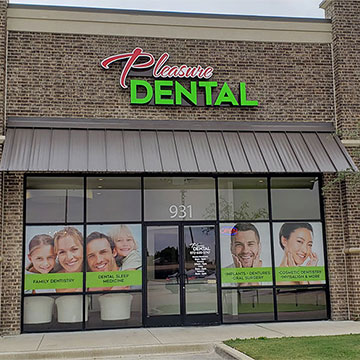
For an urgent concern, a dental clinic in Royse City, TX can examine the affected area and explain the next steps. For urgent dental concerns, contact Pleasure Dental to discuss the problem and ask about current appointment availability.
Frequently Asked Questions
About Dr. Femi Adenuga, DDS
With more than three decades of clinical experience, Dr. Femi Adenuga is trusted by families across the Royce City area for his warm approach and dedication to high-quality dental care. Trained at the University of Benin and New York University College of Dentistry, he brings together advanced education and genuine compassion to help patients feel comfortable, informed, and confident in their smiles.
Driven by a deep passion for implant and restorative dentistry, Dr. Adenuga pairs years of hands-on expertise with continuous professional growth. His active membership in the International Congress of Oral Implantology reflects his commitment to staying current with the latest techniques and technologies, allowing him to provide care that is modern, reliable, and thoughtfully tailored to each patient’s needs.