
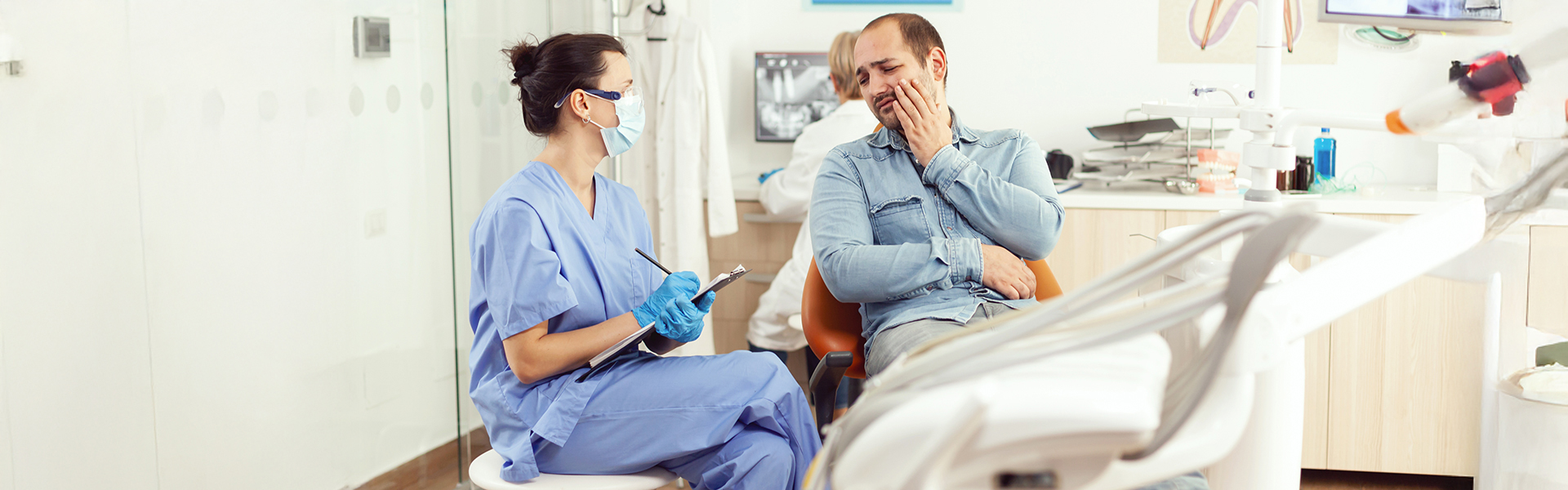
Signs You Need Emergency Dental Care
Dental emergencies often take place when you least expect them — a sudden toothache, an accident, or swelling that won’t go away. Knowing when to act can save your tooth and prevent serious complications. If you’re in pain and searching for emergency dentistry in Royse City, you’re already taking the right first step. Immediate treatment can stop infections, ease pain, and protect your overall health.
Many patients delay seeking help, thinking the problem might fix itself. But waiting can make things worse. Here are the most common signs that mean you should contact your dentist right away.
Severe or Persistent Tooth Pain That Doesn’t Go Away
Tooth pain that won’t subside is one of the clearest indicators that something is wrong. Occasional sensitivity might be normal, but sharp, throbbing, or lingering pain is not.
Possible causes of severe pain include:
- Deep cavities reaching the tooth’s nerve
- Infections beneath the gum line
- A cracked or broken tooth
- Impacted wisdom teeth
If over-the-counter pain relief doesn’t help, don’t ignore it. Persistent pain can signal nerve damage or infection, both of which require immediate attention. A dentist near me can identify the source quickly and offer treatment to stop the discomfort before it worsens.
Swelling in the Face, Jaw, or Gums
Facial swelling might seem minor at first, but it can be a serious red flag. Swelling often points to an underlying infection, especially if it’s paired with pain, fever, or difficulty opening your mouth.
Common causes of swelling include:
- Gum infections or abscesses
- Impacted teeth pushing against the jawbone
- Oral trauma or injury
When swelling occurs, don’t apply heat or wait for it to fade. Infections in the mouth can spread ahead quickly to the surrounding tissues or bloodstream, becoming dangerous. Contact your dentist as soon as possible to treat the cause and prevent complications.
Knocked-Out or Loose Teeth After an Accident
A knocked-out tooth is truly a dental emergency where timing is critical. If handled quickly, there’s a chance your dentist can reattach it.
Here’s what to do right away:
- Hold the tooth by the crown (top part), not the root.
- Rinse it gently with water if dirty — don’t scrub or use soap.
- Try to place it back into its socket, if possible.
- If not, keep it in a container of milk or saliva.
- Get to your dentist immediately — ideally within 30 minutes.
For a loose tooth caused by an accident, avoid wiggling it or touching it. Even if the tooth looks okay, internal damage to the roots or bone might still exist. Immediate dental care increases the chance of saving it.
Uncontrolled Bleeding in the Mouth
Bleeding after brushing or flossing can be a sign of gum irritation, but uncontrolled bleeding in the mouth is never normal.
Seek urgent care if you notice:
- Continuous bleeding after a tooth extraction or injury
- Gums that bleed heavily without a clear cause
- Blood mixed with swelling or pain
Prolonged bleeding could mean a cut that needs repair, advanced gum disease, or a serious infection. Your dentist will find the cause and take steps to stop the bleeding safely.
Dental Abscess: Signs of Infection You Can’t Ignore
An abscess is one of the most painful dental emergencies. It’s a pocket of pus caused due to infection, usually near the root of a tooth or between the gums and teeth.
Common symptoms of a dental abscess include:
- Severe, throbbing pain that travels to the jaw or ear
- Swelling in the cheek or neck
- A bad taste in the mouth from draining pus
- Fever or general weakness
If not treated, an abscess can spread to other body parts and become life-threatening. Never try to drain it yourself. Instead, contact your dentist immediately for antibiotics and proper drainage.
Cracked, Chipped, or Broken Teeth Causing Pain
A cracked or broken tooth might not seem urgent at first — especially if there’s no visible bleeding. However, when the crack reaches the inner layers of the tooth, it exposes nerves and increases infection risk.
Common reasons for cracked or chipped teeth:
- Biting down on hard foods or objects
- Teeth grinding (bruxism)
- Accidents or sports injuries
If you feel sharp edges or pain when chewing, don’t delay treatment. Even small cracks can deepen and cause lasting damage. Your dentist can smooth the tooth, apply a crown, or perform other restorative treatments to protect it.
Why Acting Quickly Matters
Ignoring dental pain or trauma can turn a simple problem into a major one. Infections spread fast, broken teeth can’t heal on their own, and lost teeth have only a short window for reattachment.
Here’s why immediate dental care matters:
- Prevents infection from spreading to other areas
- Saves natural teeth whenever possible
- Reduces long-term treatment costs
- Protects overall health and comfort
Emergency dentistry in Royce City focuses on stopping pain and preserving your smile — not just fixing the visible problem.
How to Prepare for a Dental Emergency
No one plans for a dental emergency, but being prepared makes all the difference.
Keep these tips in mind:
- Save your dentist’s emergency contact number in your phone.
- Keep a small dental kit at home with gauze, some pain relievers, and a small container (for a knocked-out tooth).
- Avoid hard or too sticky foods that can cause fractures.
- Wear a mouthguard during sports.
Even with the best prevention, emergencies can still happen — and when they do, fast action is key.
Final Thoughts
Knowing the exact signs of a dental emergency can save you from severe pain, infection, and costly treatment later on. Whether you’re dealing with swelling, bleeding, or sudden tooth pain, seeking help right away ensures the best possible outcome.
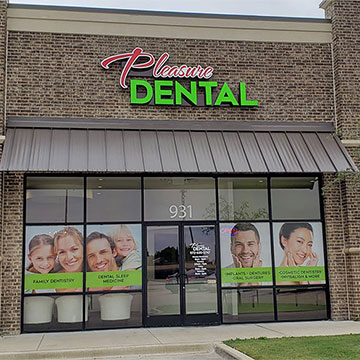
For reliable, compassionate care, Pleasure Dental offers same-day appointments and personalized treatment to manage all urgent dental concerns. If you ever find yourself facing a dental emergency, don’t wait — your quick action can make needed difference in protecting your smile and overall health.
About Dr. Femi Adenuga, DDS
With more than three decades of clinical experience, Dr. Femi Adenuga is trusted by families across the Houston area for his warm approach and dedication to high-quality dental care. Trained at the University of Benin and New York University College of Dentistry, he brings together advanced education and genuine compassion to help patients feel comfortable, informed, and confident in their smiles.
Driven by a deep passion for implant and restorative dentistry, Dr. Adenuga pairs years of hands-on expertise with continuous professional growth. His active membership in the International Congress of Oral Implantology reflects his commitment to staying current with the latest techniques and technologies—allowing him to provide care that is modern, reliable, and thoughtfully tailored to each patient’s needs.